




31 Dec Malaria Prevention
We’ve had our travel injections and are almost set to hit the road, but there’s one disease we can’t be vaccinated against – Malaria.
Check out this update post to see how we’ve managed our malaria pills and medical vaccinations since we’ve been travelling.
Malaria Facts
According to the World Malaria Report, in 2010 there were 216 million cases of malaria worldwide and around 655,000 people died from the disease.
copyright fairfaxcounty on Flickr
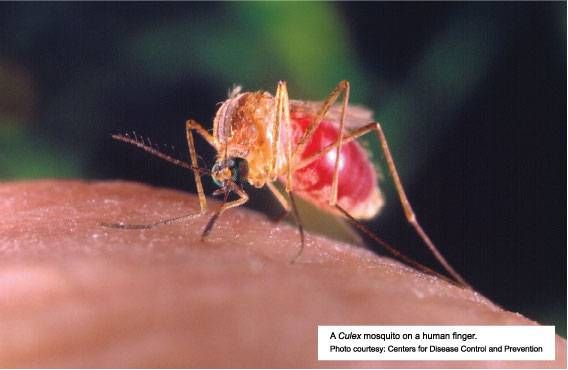
So how is malaria spread? In certain parts of the world, particularly in Africa and Asia, mosquitoes are infected with malarial parasites. It only takes a single bite from one of these mosquitoes to infect you with this potentially-fatal disease.
Although malaria is treatable, if it’s not diagnosed quickly the disease can prove fatal. The World Health Organisation estimates that one child dies of malaria every 30 seconds in Africa. What makes malaria even more dangerous is that it can go unnoticed because its symptoms are very similar to that of a cold or flu; they include:
• Fever
• Vomiting
• Sweats and chills
• Headache
• Muscle pain
• Diarrhoea
Symptoms can appear as much as 15 days after you’ve been bitten and can lead to brain and neurological damage, epilepsy and in some cases, death. If you’ve travelled to a malarial country and experience any of these symptoms it’s important to see a doctor immediately, they can take a blood sample to determine whether you have the disease. In 2010, 1,700 travellers from the UK contracted malaria and seven of those cases proved fatal.
Malaria Hotspots
Malaria is present in more than 100 countries across Africa, Asia, South and Central America, the Middle East, the Pacific Islands and Haiti and the Dominican Republic. According to our travel itinerary, here are the countries in which we will be at risk from malaria:
• Indonesia – apart from major cities, malaria is prevalent across many parts of the country
• Philippines – there’s a high risk of contracting malaria in most parts of the country
• Thailand – is pretty low-risk now and tablets aren’t usually advised, unless you’re going to be staying around the country border
• Vietnam – malaria is prevalent throughout Vietnam
• Myanmar – there’s a high risk of contracting malaria across the country
• Laos – is a high risk malarial country
• Malaysia – parts of the country are high risk
• Cambodia – there’s a high risk of contracting malaria throughout
Malaria Prevention Advice
Unlike other diseases spread by mosquitoes, like Japanese Encephalitis, there’s currently no malaria vaccination. The best way of protecting yourself is to find out how to prevent malaria – here are some tips recommended by the UK travel advice centre:
• Use strong insect repellent containing DEET
• Cover up your arms and legs in at-risk areas, particularly at dusk when mosquitoes feed
• Use a mosquito net coated with insecticide
• Take the correct type of malaria pills, in the right dose for the necessary time period, depending on where you’re travelling to.
Do I need Malaria Tablets?
Taking malaria pills is really the best way to protect against contracting malaria; they might not provide 100 percent protection, but when combined with using repellent and covering up, they come pretty close.
Opinion is definitely divided on whether pills are effective, which type works best and whether they should be taken over long periods of time. I’m working on advice given by doctors in the UK and the government Fit for Travel website. Always ask a medical professional which type of malaria pills you need to take as this will vary depending on where you’re going; in some areas mosquitoes carry different strains of the disease or may have become resistant to particular types of medication.
As a rough guide though, here are some of the different types of malaria pills, the side effects, where they can be taken and example costs from Lloyds Pharmacy:
• Chloroquine
Dose: two tablets per week, to be taken one week before travel and for four weeks upon returning.
Cost: £1.98 for a 15-21 day trip
Possible side effects: nausea, diarrhoea, headache, rash, blurred vision, hair loss
Places on our itinerary that it can be used: Indonesia (when used together with Proguanil) except Lombok and Irian Jaya
• Atovaquone plus proguanil (Malarone)
Dose: one tablet per day, to be taken two days before travel and seven days upon returning.
Cost: £90 for a 15-21 day trip
Possible side effects: abdominal pain, headache, nausea, diarrhoea, coughing, mouth ulcers
Places on our itinerary that it can be used in: Philippines, borders of Thailand, Malaysia, Cambodia (except in western provinces), Laos, Vietnam and Myanmar
• Mefloquine
Dose: one tablet per week, to be taken two and a half weeks before you leave and for four weeks upon returning.
Cost: £42 for a 15-21 day trip
Possible side effects: nausea, diarrhoea, dizziness, abdominal pain, rashes, sleep disturbances, depression
Places on our itinerary that it can be used in: Indonesia (Lombok and Irian Jaya only), Philippines, borders of Thailand (except borders of Cambodia and Myanmar), Cambodia (except western provinces), Laos, Malaysia, Vietnam, Myanmar
• Doxycycline
Dose: one tablet per day, to be taken one week before travelling and for four weeks upon returning.
Cost: £40 for a 15-21 day trip
Possible side effects: sensitivity to sunlight, heartburn, diarrhoea, nausea, sore tongue
Places on our itinerary that it can be used: Indonesia (Lombok and Irian Jaya only), Philippines, borders of Thailand, Cambodia and Laos, Malaysia, Laos, Myanmar, Vietnam.
• Proguanil (Paludrine)
Dose: two tablets per day, to be taken one week before travelling and for four weeks upon returning.
Cost: £15.50 for a 15-21 day trip
Possible side effects: nausea, diarrhoea, mouth ulcers
Places on our itinerary that it can be used: Indonesia (when used together with Chloroquine) except Lombok and Irian Jaya.
Which type of Malaria pills do we need?
Since we’ll need malarial medication in lots of the countries on our travel itinerary and given the above prices, we could end up spending a fortune on malaria pills. So, we’ve decided to try and buy our tablets when we get to Indonesia. This might be a controversial choice; there have been stories of fake anti-malarial tablets being sold in Asia, but we’re going to make sure that we get ours from a reputable clinic.
What type of malaria pills do you use and have you ever bought any while you’ve been travelling?
*Sources: Fit for Travel, Lloyds Pharmacy, World Health Organisation, World Malaria Report. The above information serves as a guide only – always consult a doctor for comprehensive advice about malaria prevention.
Julie
Posted at 08:21h, 03 MayThis is something we’ve been dealing with lately. Our GP recommended malarone. We’re going to be taking anti-malarials for a six month period, and my husband and I came to the decision that although we understand that malarone is the newest and therefore likely to be the most effective of the drugs, we couldn’t afford to pay that kind of money. The nurse recommended shopping online to get the price down.
We found a website that would prescribe and deliver the drugs for a more reasonable price than what our doctor/pharmacy was asking. It involved a telephone call ‘appointment’ with a doctor but that was no hassle and it was sorted quickly. We were prescribed doxycycline and have six months worth of tablets, the prescription service and delivery coming in at under £50 each! Brilliant!
Amy
Posted at 08:48h, 03 MayHi Julie, £50 isn’t bad – maybe we’ll have to look into this too, thanks for the suggestion. We’re heading to Indonesia in a week so we’re going to look for a good travel clinic in Jakarta to see if we can pick up tablets and have our Japanese Encephalitis shots there cheaply.
Siobhan
Posted at 04:25h, 02 MarchHi, would you mind giving me the name of the online pharmacy you used? the cheapest I have found so far is over £100 for a 15 week trip!
Amy
Posted at 14:09h, 02 MarchHi Siobhan, I got those prices from Lloyds Pharmacy: http://www.lloydspharmacy.com/ they may have changed now though as I wrote that post over a year ago. I hope that helps 🙂
Karen
Posted at 15:30h, 29 JanuaryGreat Malaria prevention guide! Will be passing this around to a few friends. We’re heading out to Zambia and Zimbabwe for two weeks! Already got my mosquito net ready – half way there 🙂
Amy
Posted at 03:14h, 30 JanuaryThanks Karen, hope you have a great trip! 🙂
Rachel
Posted at 18:00h, 26 MayAfter a trip to Zimbabwe myself, I discovered that I suffer from ALL of the side effects of malarone (up to and including hallucinations….absolutely miserable). My husband and I are leaving in August for a prolonged trip around the world, and we’ve both decided to carry treatment-level amounts of Malarone on us, but not take it regularly. A good friend of ours who is an itinerant traveller does the same. The idea is you sleep under a mosquito net and coat yourself liberally with DEET, then if you start showing malaria symptoms you take the treatment dosage of malarone. That’s one way to do it anyways 🙂 I’m sure some would consider it a riskier alternative than taking malarone every day for 6-8 months, but I simply could not do that. I’d go mad.
Amy
Posted at 07:05h, 27 MayHi Rachel, it sounds like you had a miserable time taking Malarone. I think your prevention strategy and taking an emergency supply of anti-malarials is a good option, it’s pretty much what we do these days too. Have a great trip!
Sebastian
Posted at 13:30h, 22 JuneHi Amy and Andrew,
Thanks a lot for those tips. I believe that you have been to Indonesia already 🙂 I am planning to visit Indonesia and Myanmar soon and also thought about going to a pharmacy/GP in Indonesia and get the malaria tablets there. Did you have any problems getting the tablets in Jakarta and was it much cheaper? Also, everyone recommends to start taking the pills before you arrive in the risky areas. Was that an issue at all for you?
Many thanks
Amy
Posted at 05:03h, 23 JuneHi Sebastian, we did find the pills very expensive in Indonesia, I’ve written a follow-up post about this which has the price details in – check it out here.
Sebastian
Posted at 11:36h, 24 JuneThanks a lot for your reply, Amy. Very helpful!
Amy
Posted at 11:48h, 24 JuneNo worries, have a great trip!
Sonya
Posted at 10:18h, 18 AugustI’m travelling yo north India and Ganges on 10sept 2015, will I need malaria tabs for myself 39yrs old and my 3year old son? Thanks
Amy
Posted at 10:44h, 19 AugustHi Sonya, it’s a good idea to seek advice from your doctor before you travel about this as I’m not sure about India (and I’m not a trained medical professional I’ve just shared my research from the Gov health advice). Have a great trip!
Peter Newsome
Posted at 06:23h, 23 OctoberHi has anyone out there been to Nepal. My sixteen old is going shortly for voluntary work.
Has any of experience there and what medication is best.
Amy
Posted at 23:45h, 23 OctoberHi Peter, we haven’t been to Nepal so I’m not sure, your best bet is to contact a doctor and ask for advice to be safe.
Michael
Posted at 13:51h, 04 FebruarySimple summary of the malaria tablet variety. Great resource for our travel plans 🙂
Amy
Posted at 22:27h, 04 FebruaryThanks 🙂